
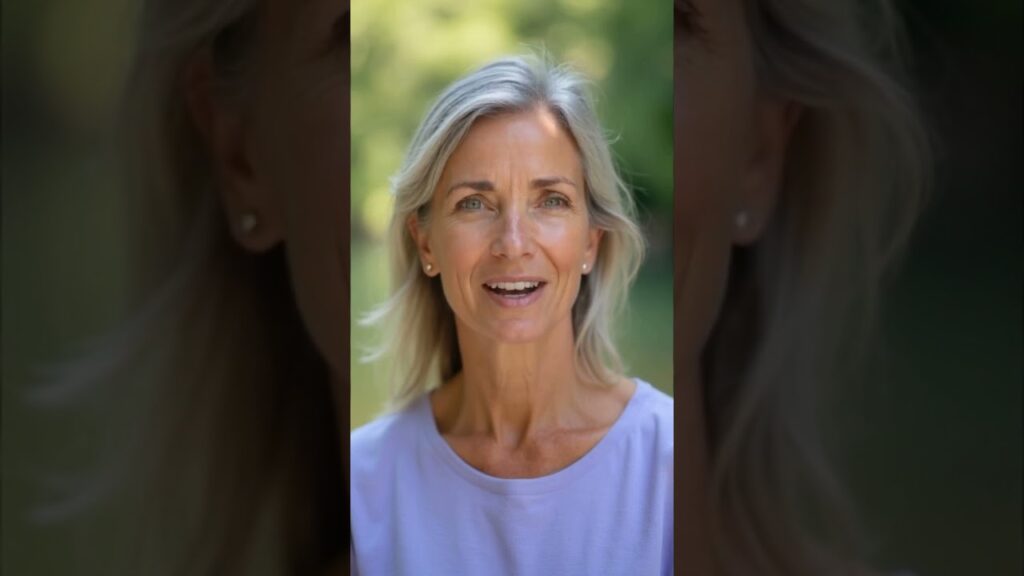
Chapter 6 – The First Lights
The first time I went outside again,
the light startled me.
It wasn’t just brightness — it was existence.
It filled every crack and corner, bouncing off car roofs, pouring through clouds,
as if it had been waiting for me to look up.
I stood in the doorway, hand on the frame,
like someone stepping from a dream into daylight, unsure if she belonged.
For a moment, I thought about turning back.
The air smelled too alive —
warm asphalt, coffee from the bakery downstairs, the faint sweetness of oranges from a nearby stall.
It was all too much.
Too beautiful.
Too loud.
Then a voice inside me whispered, Stay with it.
And I did.
I started walking slowly — one street, then another.
Each step was cautious, like testing gravity.
People moved around me in the rhythm of ordinary life:
a woman balancing a bag of groceries on her hip,
a boy kicking a deflated football against a wall,
an old man shaking crumbs for pigeons who didn’t care about manners.
It was the same neighborhood I’d known for years,
but it felt like meeting it for the first time.
Every color had been turned up a little.
The blue of the sky was bluer,
the laughter sharper,
even the cracks on the pavement had stories to tell.
I realized how long I’d lived without noticing.
When I reached the corner bakery,
Maria was standing outside dusting flour off her apron.
She squinted in the sunlight, then looked at me —
really looked.
“Magda?” she said, her voice carrying that blend of disbelief and joy usually reserved for miracles.
“Look at you! You’re out!”
I laughed, a little shy.
“I’m out,” I repeated, as if testing the words for taste.
Without asking, she wrapped a warm sesame bread ring in paper and handed it to me.
“Fresh. Eat it while it’s still breathing.”
The bread was soft, fragrant, alive with steam.
I tore off a piece and chewed slowly,
feeling every grain of salt and sesame,
the warmth spreading across my chest.
It wasn’t just bread. It was communion.
When I returned home,
I opened all the windows.
Light flooded the apartment like a gentle invasion.
It spilled across the floor, over the chair,
onto the notebook where my gratitude list waited for its next line.
I added one more:
Today I went outside. The world welcomed me back.
The next morning, I went out again.
Not because I felt brave,
but because I was curious about how light changes from one day to the next.
The air was cooler.
The sun wore a soft halo,
the kind of light painters chase but never catch.
I walked to the small park three blocks away —
a patch of green framed by apartment blocks and exhaustion.
Children’s laughter echoed off the swings.
A mother scolded gently in that singsong rhythm only mothers can invent.
Somewhere, someone was playing guitar badly,
but the melody worked anyway.
I sat on a bench and let life move around me.
No one knew who I was or where I had been.
And for the first time in a long time, that anonymity felt like freedom, not loneliness.
A breeze carried the smell of cut grass and rain-soaked soil.
It brushed my skin —
a small, invisible blessing.
I looked down at my hands resting in my lap,
their veins like soft rivers.
They didn’t shake anymore.
Nearby, a child dropped an ice cream cone and burst into tears.
His mother knelt, wiped his face, and shared hers with him instead.
He laughed through the stickiness.
Life kept mending itself in the smallest ways.
I smiled without meaning to.
That evening, I stopped at the café where Michalis and I had once talked about rain and sunlight.
The same café with the uneven tables and the waitress who never remembered names.
I chose the seat by the window.
When the waitress asked what I wanted,
I said, “Just coffee.”
No apology, no pretense.
Just coffee.
She brought it, steaming and fragrant,
the saucer chipped at the edge exactly like before.
The first sip grounded me —
bitter and real and completely alive.
Outside, people passed,
each carrying their own invisible story.
The world didn’t feel distant anymore.
It felt layered — heavy with meaning,
but no longer heavy to bear.
I took out my notebook and wrote:
The first light isn’t sunrise.
It’s the moment you see the world again and realize you’ve been missing from it.
When I returned home,
the jasmine had bloomed again —
three perfect white flowers open under the evening sky.
Their scent met me at the door,
soft and forgiving.
I touched one lightly.
The petals bent but didn’t break.
That, I thought, is what strength really looks like.
I lit a candle on the balcony.
The flame flickered against the blue dusk,
tiny but determined —
a small heart, glowing.
From below, I heard Maria’s voice calling goodnight to her children.
A man somewhere strummed a guitar and sang out of tune.
The city hummed with a rhythm both chaotic and divine.
And I — this ordinary woman in a small apartment —
felt an extraordinary thing:
I was part of it again.
Before bed, I opened the notebook and wrote one final line for the day:
The light has not forgotten me.
It waited until I remembered how to open the door.


