
Chapter 4 – The Hospital
I don’t remember the moment I fell.
I remember the light.
A cold, bright kind of light — too clean to belong to anywhere human.
Then the sound of wheels. Voices.
Metal against tile.
“Stay with us.”
That phrase, again and again, like a thread thrown across water.
When I finally surfaced, I was in a narrow bed under sheets that smelled of bleach and surrender. My mouth was dry, my wrist bruised where a needle had claimed it. A monitor blinked somewhere near my shoulder — green, patient, loyal.
The world had shrunk to white walls and the steady rhythm of machines that breathed on my behalf.
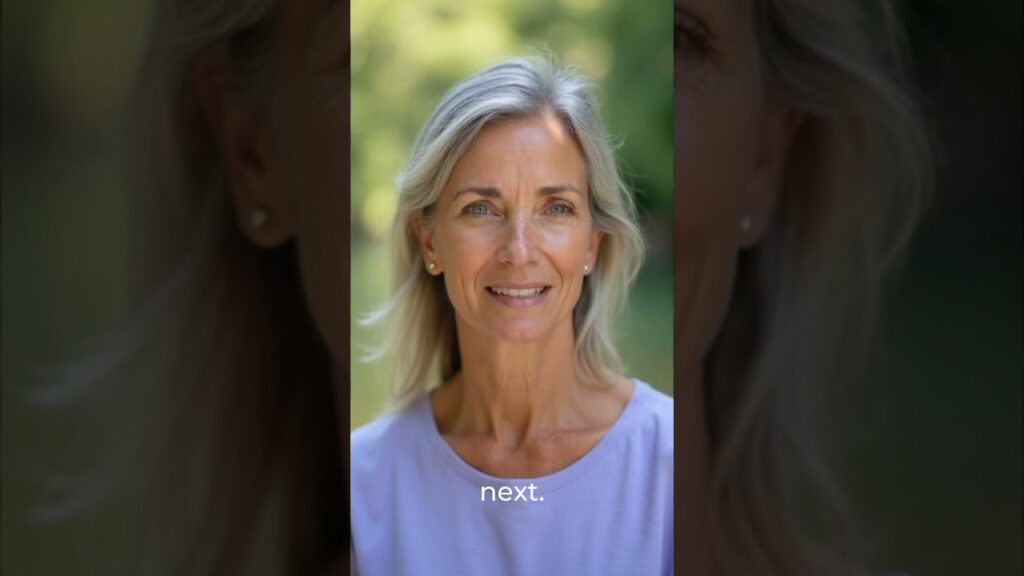
The first person I saw was a nurse with hair the color of winter wheat. Her badge said Eleni. She smiled the way people smile when they’re trying not to promise anything.
“You scared us,” she said softly, adjusting a line of tubes as if she were untangling music.
“You’re safe now. Rest.”
Her words floated above me like slow snow. Safe. Now. Rest.
Three words that felt impossible together.
Time in hospitals doesn’t move — it collects.
It piles up in corners, under chairs, in the folds of curtains.
Days don’t pass; they hum.
I began to learn the rhythm:
the squeak of rubber soles at dawn,
the whisper of pills in a paper cup,
the muted clatter of trays carrying breakfasts I could not taste.
Sometimes I drifted.
Sometimes I woke to my own name spoken as if it belonged to someone else.
“Magda.”
Yes. That was still me. Mostly.
My mother arrived on the third day.
I knew her perfume before I saw her — faint rose and old paper.
She didn’t cry. She sat, folded her hands, and looked at me like one looks at a photograph that has begun to fade.
“I brought you your cardigan,” she said. “The one with the pockets you like.”
Her voice trembled only on pockets.
We didn’t talk about why I was there.
We talked about the cat she fed for the neighbor,
about the jasmine plant I’d left unwatered,
about anything small enough to fit between us without breaking.
When she took my hand, her skin felt rougher than I remembered — years of work and worry written on her palms.
“Don’t rush,” she whispered. “You’re not late for anything.”
It was the kindest sentence anyone had ever given me.
In the bed across from mine, an elderly woman spoke to invisible visitors.
She listed the names of her children, then her grandchildren, then the years she had outlived them all.
Her voice was thin but certain — as though every word stitched her closer to existence.
I listened without meaning to.
Maybe that’s what survival sounds like: naming what you still love until it answers back.
One afternoon, Eleni appeared with a clipboard and a paper cup.
“Good news,” she said. “We’re removing the IV. Your body remembered what to do.”
She said it as if my body were a clever student who’d finally recalled a lesson.
Then she leaned closer and added quietly:
“Don’t be afraid of the quiet when you go home. It’s where you’ll hear yourself again.”
I wanted to ask how she knew I feared silence,
but her eyes told me she recognized the shape of it.
When she left, I turned toward the window.
Outside, the sky had the fragile blue of porcelain.
A tree swayed, scattering tiny leaves that looked like pieces of light.
For the first time in months, I wanted to see what came next.
Michalis arrived two days later.
He stood awkwardly near the door, holding a paper bag of oranges.
“They said you can have fruit,” he said. “I didn’t know what kind.”
“You picked the kind that smells like sunlight,” I told him.
He laughed, but it broke halfway.
Then he sat and peeled one carefully, the scent brightening the sterile air.
We didn’t talk about what had happened.
We talked about coffee, about the café that still wobbled, about the jasmine on my balcony.
He told me it had rained the night I was admitted,
that the city looked washed clean,
that he had kept walking even when he wanted to run.
I didn’t answer for a long while.
Then I said, “I’m tired of falling.”
He nodded.
“Then let’s practice standing. Slowly.”
When he left, he placed something on the bedside table — a small notebook with a linen cover.
The first page read:
Days Worth Remembering
The rest were blank.
Blank but waiting.
The morning they discharged me, Eleni came to say goodbye.
She slipped a folded note into my palm.
It said:
The body remembers how to heal.
The heart learns by watching it.
I cried then — not from pain, but from recognition.
Outside, the air felt almost violent in its freshness.
The world smelled of diesel and oranges and freedom.
My mother held my arm as we crossed the parking lot.
The sun was too bright; the sky, almost indecently blue.
I stopped halfway to the car, just to feel the ground.
Concrete beneath me.
Wind against my face.
Life, insisting.
At home, I placed the notebook on my desk and wrote the first entry with slow, uneven letters:
Today I stood without falling.
The floor did not resist.
The air did not collapse.
I am still here, and that is enough.
Then I opened the windows.
The jasmine’s scent drifted in — sharp, forgiving.
The candle on the shelf caught the breeze and flickered alive,
as though the room had been holding its breath, waiting for me to return.