
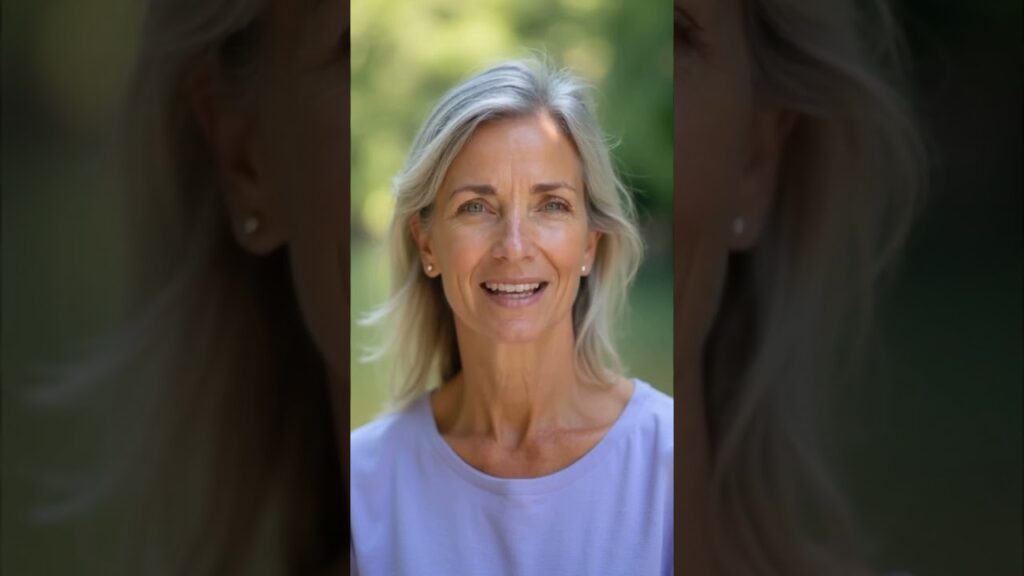
Chapter 2 – Silence
For a long time after that morning, I spoke to no one.
The world outside kept its rhythm — buses wheezing, doors closing, the small mechanical pulse of a city that doesn’t care who keeps up and who falls behind. Inside, everything slowed until it felt like the air itself had thickened.
Silence wasn’t new to me; it had always hovered somewhere in the background. But this was different. This was a silence that moved in — rearranging furniture, unpacking boxes, claiming every room.
At first, I fought it.
I left the television on for company — talk shows, game shows, anything that could remind me of noise. The laughter of strangers filled the space, echoing off the walls. For a while, I pretended that counted as living.
But laughter you don’t belong to is lonelier than none at all.
So one afternoon I reached for the remote and pressed “mute.”
The quiet that followed didn’t roar; it sighed — deep, endless, patient.
That’s when it began.
I didn’t realize how loud my life had been until everything stopped.
Every sound became sharp enough to cut. The kettle’s whistle stabbed through the stillness. The refrigerator hummed like an accusation. Even the soft drip of a leaky tap sounded like a countdown.
Days folded into one another. I forgot what day of the week it was. Morning melted into dusk without warning, and sometimes I found myself standing by the window, unsure whether the sun was rising or setting.
When I tried to read, my eyes moved but my mind didn’t follow. Words blurred. Stories felt too loud.
When I tried to write, my hand hovered over the page, heavy with things I wasn’t ready to say.
Silence began to shape me — smoothing some edges, deepening others.
One evening, I boiled water for tea I didn’t want.
The steam rose in curls, ghostly, like a memory refusing to fade.
I stared at it until the kettle clicked itself off.
The sudden stop startled me more than the sound ever could.
It’s strange, the way silence sneaks in through everyday rituals.
It doesn’t need darkness; it thrives in half-lit rooms and ordinary motions.
I found myself speaking aloud sometimes, testing my voice like an instrument gone out of tune.
“Magda,” I said once — just my name, as if to make sure it still belonged to me. The sound felt foreign, almost shy.
The first night I cried, it wasn’t from sadness exactly. It was from the sheer weight of not having anything to say.
Tears fell without purpose — cleansing, not pleading. The room seemed to listen without judgment.
Eventually, I stopped fighting.
I turned off every machine, every screen.
I let the quiet have its way with me.
And something changed.
Once the initial fear subsided, I began to hear life’s smaller frequencies:
the soft creak of wooden floorboards expanding in the heat,
the whisper of wind crawling beneath the door,
the faint ticking of my heartbeat when I lay still enough.
I hadn’t realized my body made music.
The silence wasn’t empty after all.
It was full — full of everything I had ignored while rushing to fill the air with words.
I began to think of it as a companion rather than an intruder.
I even gave it a name: Stillness.
Stillness didn’t ask questions.
It didn’t demand explanations or apologies.
It just sat beside me while I learned how to exist again.
Morning by morning, Stillness taught me new rituals.
I learned how to breathe without waiting for something to happen next.
How to make coffee and taste it, really taste it — the bitterness, the warmth, the small joy of the first sip.
How to watch sunlight travel slowly across the wall like a living thing.
Once, a neighbor’s child laughed in the stairwell — a high, clear sound that rippled through the air.
It startled me.
Then it made me smile.
The silence didn’t vanish; it shifted, making space for that single note of life.
Maybe healing begins exactly like that —
with one sound that doesn’t hurt anymore.
At night I lit a candle. Not for prayer — I didn’t know who to pray to —
but because I wanted proof that light could survive quiet.
The flame trembled in the slightest breeze, bending, then straightening again.
I watched it for hours.
It reminded me of myself — fragile, yes, but unwilling to go out.
I started whispering to it, as though the flame could understand:
“I’m still here.”
Sometimes the words came out as breath more than sound.
That was enough.
The following week, rain returned — steady, deliberate rain that blurred the city’s edges.
I opened the window to listen.
Raindrops hitting metal, pavement, glass — thousands of tiny notes in an orchestra of water.
For the first time in months, I didn’t close it.
The scent of wet earth drifted in.
It smelled like memory and forgiveness.
I stood there, barefoot, hair damp,
and realized I wasn’t afraid of silence anymore.
Because silence wasn’t the absence of life.
It was its background —
the space where everything meaningful begins to grow.
I started keeping small notes again.
Not full sentences — just fragments.
A smell of rain.
The sound of my own breath.
A moment without fear.
At first, I filled only a few lines a day.
But gradually, my notebook began to breathe with me —
a record of small survivals.
On one page I wrote:
“I used to think silence meant nothing was happening.
Now I see it’s where everything begins.”
The ink smudged under my fingertips,
and for some reason that imperfection felt beautiful —
proof that even quiet things leave a trace.
One night, I dreamed of my childhood home —
the one with the jasmine bush that climbed up the old fence.
In the dream, the flowers glowed faintly in the dark,
and the air was thick with their scent.
When I woke, the room smelled faintly of rain,
as if the dream had followed me back.
I lay there for a long while,
listening to the night breathe through the window.
Silence no longer pressed down on me.
It cradled me.
It whispered,
“You don’t have to fill every moment to prove you exist.”
And I believed it.
The next morning, I opened the curtains all the way.
Sunlight flooded the room, gold and unashamed.
It struck the rim of my coffee cup,
casting small reflections onto the wall.
For a moment, I thought the wall itself was alive.
Maybe it was.
Maybe everything is, once you finally stop drowning it in noise.
That night, before sleep, I wrote one last line:
“Silence isn’t empty.
It’s the sound of life preparing to begin again.”
And then, for the first time in months,
I fell asleep without fear of the dark.