
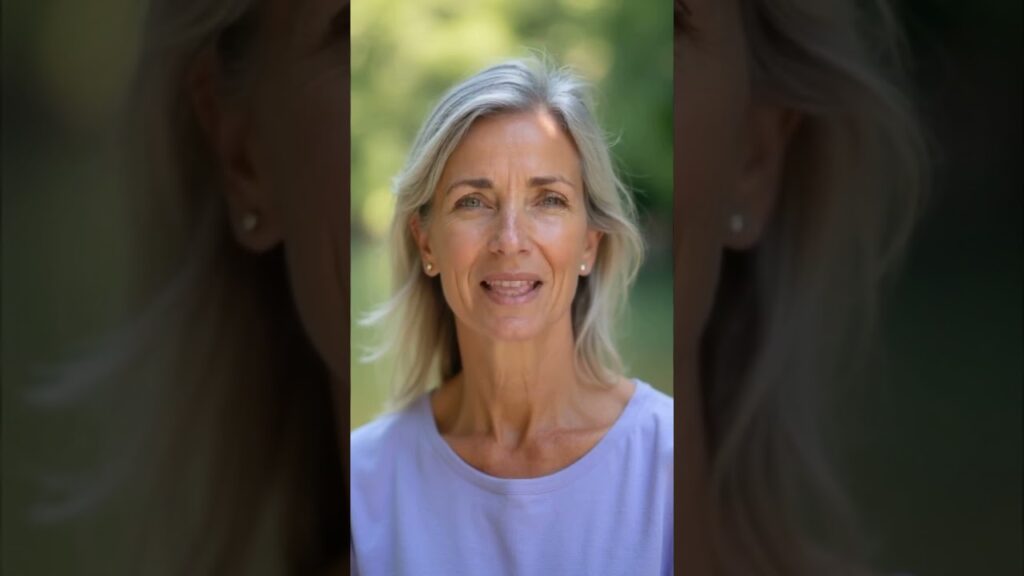
Chapter 9 – The Quiet Kind of Morning
The morning came without announcement.
No birdsong, no sudden brightness —
just a soft, steady light
that slipped quietly through the curtains
and rested on the floor like peace itself.
Magda opened her eyes slowly.
The rain from last night had left small pearls of water
clinging to the jasmine leaves.
They caught the morning light,
each one holding a tiny version of the world inside.
She lay there for a while,
listening to the ordinary sounds of the house —
the kettle murmuring,
a neighbour’s footsteps above,
the faint hum of the city beginning its day.
Nothing special.
And yet, it all felt sacred.
She rose, wrapped a shawl around her shoulders,
and walked barefoot to the balcony.
The air was cool, damp, clean.
Somewhere far away, a church bell rang once —
not calling, just reminding.
She looked down at the stone Michalis had given her.
It sat on the table,
still glimmering faintly from the night before.
She reached for it,
turned it in her palm,
and whispered,
“You still glow.”
The world, she thought, doesn’t rush to reveal its light.
It waits for you to be still enough to see it.
She brewed coffee and didn’t check her phone.
Not because she was avoiding anything —
but because nothing was missing.
As the coffee brewed,
she noticed how the steam rose like a slow dance,
curving, dissolving,
leaving only warmth behind.
She poured it into her favourite cup,
the one with the small crack near the handle.
It had survived countless mornings —
proof that beauty doesn’t depend on perfection.
At the small kitchen table,
she opened her notebook again.
The page was blank,
but her heart was not.
She wrote:
“The quiet kind of morning doesn’t ask for meaning.
It is the meaning.”
She closed the notebook and smiled.
Somewhere inside her,
a voice — soft, familiar — whispered:
You’ve arrived.
Around noon, she decided to visit her mother.
No reason.
Just because she wanted to.
The air outside smelled faintly of bread and sea.
The kind of smell that makes you feel
you belong to something simple and whole.
Her mother was sitting by the window, sewing.
The same gentle rhythm — in, out, tie, breathe.
When she saw Magda, she smiled in that quiet way
that doesn’t disturb the air.
“I made soup,” she said.
“Your favourite.”
“I didn’t call first,” Magda said.
“You don’t have to anymore,” her mother replied.
They ate together,
the way they used to when words were still needed.
Now, it was enough just to share the same chair,
the same spoon, the same air.
After lunch, her mother placed a hand on hers.
“Do you remember what I told you once?”
“About what?”
“That care doesn’t predict. It stays.”
Magda smiled.
“I remember.”
Her mother nodded.
“That’s good.
Because that’s what love does too.”
Later, Magda walked back home slowly.
The afternoon light was soft and gold,
folding around her like a gentle promise.
When she reached her door,
she noticed something new —
a small pot left on the step.
Inside it, a cutting of lavender,
still moist from watering.
A note, written in familiar handwriting:
“For your balcony.
It likes the sun, but not too much.
— M.”
She smiled and placed it beside the jasmine.
The two plants leaned toward each other,
as if exchanging secrets in the breeze.
She sat on the floor beside them,
letting the sun reach her face.
It wasn’t the blinding kind of light —
it was the one that knows its place,
that touches gently and stays.
Inside, the clock ticked softly.
No rush.
No expectation.
Magda took a deep breath,
and with it came everything —
the scent of lavender,
the echo of her mother’s voice,
the weight of the stone in her pocket,
and the rhythm of a heart that no longer needed proof.
She whispered to herself,
half prayer, half realization:
“Love didn’t return.
It never left.”
The wind passed through the balcony,
carrying the scent of sea and soil —
and somewhere between the two,
Magda closed her eyes and smiled.
For the first time,
the morning didn’t end.
It simply continued —
quiet, alive,
a soft unfolding of everything she had become.


