
For surfers facing massive waves and unexpected wipeouts, panic is the number one enemy because it leads to hyperventilation and poor decision-making, but your breath is your most powerful weapon against it. Just like Navy SEALs master precise breath control techniques during high-stress combat and underwater missions, you can harness these same proven methods to dramatically enhance your performance, boost your oxygen efficiency, and ensure greater safety when tackling challenging ocean conditions.
This comprehensive guide will equip you with a full set of essential breath control exercises specifically tailored for surfers, transforming how you handle wipeouts, long paddle-outs, and high-pressure wave takeoffs while building unshakeable confidence in even the most demanding surf sessions.
We’ll dive deep into foundational techniques to build your base, proven strategies for staying calm under intense pressure, realistic surf-specific simulations that mimic real ocean scenarios, and crucial recovery methods to get you back in the lineup faster and stronger.
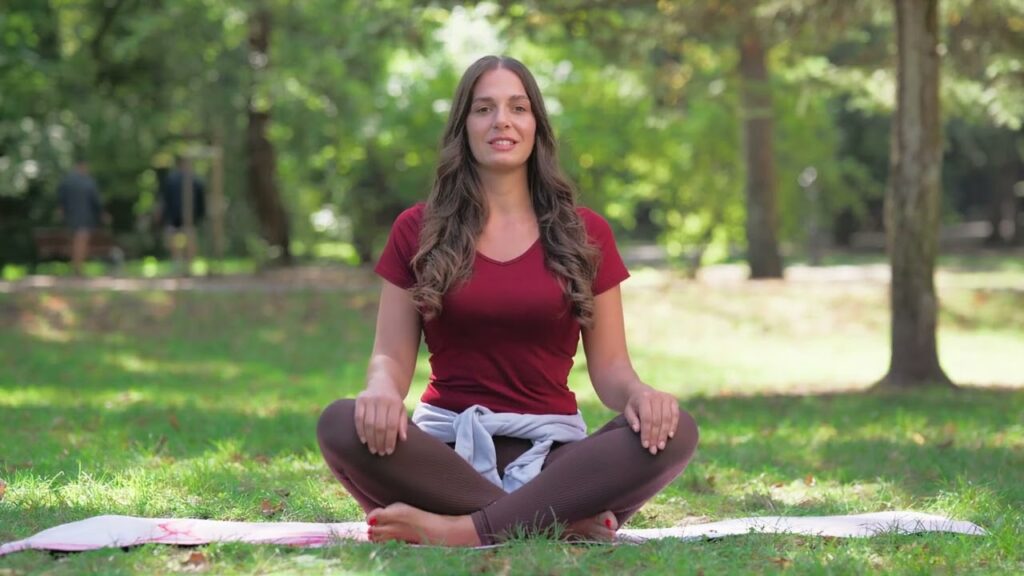
Module one focuses on building a solid foundation with diaphragmatic breathing, which is key for efficient oxygen intake. Place one hand on your chest and the other on your belly; now inhale slowly through your nose for a count of four, feeling your belly expand and rise while keeping your chest still to engage the diaphragm fully.
Then exhale slowly through your mouth for a count of six, allowing your belly to naturally fall back in. This deep diaphragmatic breathing engages your diaphragm muscle effectively, promoting deep relaxation, reducing stress hormones, and enabling more efficient oxygen exchange that’s vital for endurance during long sessions in the water.
Next up is the Baseline Breath Hold Test to gauge your starting point. Take 20 slow, full diaphragmatic breaths to oxygenate your body, then on the final exhale, hold your breath for as long as you can comfortably manage without straining; this key test establishes your current CO₂ tolerance level, which is essential for tracking progress in breath holds during dives or under waves.
Module two is all about staying calm under pressure with techniques like box breathing, a favorite of Navy SEALs. It involves inhaling deeply for four seconds, holding that breath steadily for four seconds, exhaling smoothly for four seconds, and holding empty for another four seconds, then repeat this simple square cycle several times.
This powerful box breathing technique, rigorously used by Navy SEALs in combat and training, helps regulate your autonomic nervous system, quickly reducing cortisol levels, sharpening mental focus, and preventing panic to keep you composed during critical moments like being caught in a breaking wave.
For building CO₂ tolerance, which is crucial for surfers enduring prolonged submersion, perform progressive breath holds: after a normal exhale, hold your breath and note exactly when the first gentle urge to breathe appears, timing it carefully. This methodical training gradually acclimates your body to tolerate higher CO₂ levels comfortably, which is vital for safe, extended breath holds underwater after wipeouts.
Paced breath holds take it further: start with 30 controlled diaphragmatic breaths to super-oxygenate, followed by a full exhale and then a timed breath hold, pushing slightly beyond comfort but safely. This advanced drill significantly builds your lung capacity and mental resilience to manage CO₂ buildup effectively during intense surf sessions.
Module three brings it to surf-specific simulations, starting with paddle-out rhythm breathing: while paddling out against incoming swells, inhale deeply for five seconds to fuel your muscles, then exhale fully for eight seconds to stay relaxed and efficient. This rhythmic pattern conserves precious energy, prevents early fatigue, and maintains a calm mindset as you battle through the whitewater.
For wipeout simulation training on land or in a pool, take 15 quick, shallow breaths to mimic the adrenaline spike, then exhale completely and hold your breath to replicate being tumbled underwater.
Visualization is a cornerstone mental tool used by elite athletes: close your eyes, breathe steadily, and vividly imagine yourself calmly navigating through the most challenging waves, executing flawless takeoffs with precision, and recovering effortlessly from any setback. Practice this daily for five to ten minutes to wire your brain for success.
Commit to making breath training a non-negotiable part of your daily or weekly routine, integrating it seamlessly with your warm-ups and cool-downs. This dedication will elevate your ability to stay calm, laser-focused, and fully in control, completely revolutionizing your entire surfing experience from novice to pro.
Fully embrace the incredible power of your breath today, and you will conquer even the most formidable waves with unwavering confidence and mastery tomorrow.