
The quality of your life is shaped by the quality of your communication.
You can master your habits, your emotions, your mindset —
but if you cannot communicate clearly, confidently, and compassionately, your potential stays locked inside you.
Communication is one of the most powerful human skills.
It shapes relationships, careers, opportunities, trust, and connection.
And like every other skill in this series — it can be learned, strengthened, and mastered.
In this episode, we uncover the pillars of communication, emotional connection, and influence — not the manipulative kind, but the authentic kind that builds trust and helps you express yourself with clarity, calm confidence, and purpose.
Most people think communication is about speaking.
In reality, communication is about connection.
It’s about:
• expressing what you truly mean
• listening to what others actually feel
• creating emotional safety
• reducing conflict
• building trust
Good communication doesn’t come naturally to most of us.
We learn communication from our childhood environment,
and many of those patterns are filled with fear, silence, or overreaction.
The words you choose matter.
They can heal or hurt, open or close, empower or destroy.
Tone is often more important than language.
People remember how you made them feel long after they forget the words.
Body language, eye contact, posture, facial expression, energy — all of this communicates silently.
The goal is alignment:
your words, tone, and body all expressing the same message.
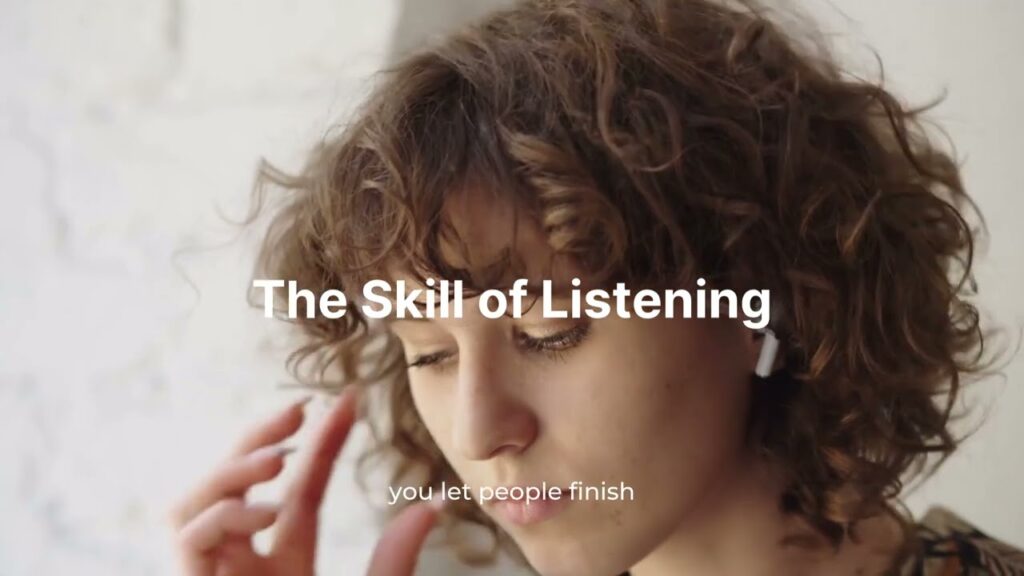
Most people listen to reply.
Very few listen to understand.
Listening is the foundation of emotional intelligence in relationships.
Great listening means:
• you slow down
• you stop assuming
• you let people finish
• you mirror their emotion
• you respond instead of reacting
If people feel heard, they automatically feel safe with you.
Assertiveness is not aggression.
Assertiveness means:
• expressing your needs clearly
• respecting other people’s needs
• keeping your boundaries
• staying calm
Assertiveness equals honesty with respect.
This skill can transform relationships, workplaces, and self-esteem.
Social confidence is not about being the loudest person in the room.
It’s about:
• feeling safe in your own body
• trusting yourself in conversations
• knowing you don’t have to impress anyone
• believing you bring value to the room simply by being you
When you stop performing and start being present,
confidence flows naturally.
Healthy relationships have 5 elements:
1. Trust
2. Respect
3. Honesty
4. Support
5. Communication
Every strong relationship — romantic, family, friendship, or professional —
is built on these five foundations.
When one is missing, the relationship becomes shaky.
When two are missing, the relationship becomes painful.
When three or more are missing, the relationship becomes unsustainable.
Part of personal development is learning to:
• choose better relationships
• communicate maturely
• walk away from unhealthy patterns
• invest in the people who invest in you.
As we close this episode take some time to reflect on the following prompts:
1. Who in your life do you struggle to communicate with and why?
2. What communication patterns did you learn growing up?
3. What triggers you in conversations?
4. Which relationships give you energy — and which drain it?
5. What do you need to express that you’ve been avoiding?
Take your time with these. Reflection is not a race; it’s a widening.